In the last few years, online learning has become an important part of the learning culture around the world. Access to the Internet, reduced cost of data, and superior eLearning resources have collectively fuelled the popularity of online learning.
Online learning has also made the education and learning spheres more inclusive, engaging, and accessible to a wider demographic. This approach eliminates language, learning, mobility, and geographical barriers by growing a wide digital footprint.
Today, learners can choose from a wide range of learning resources and courses. This is a fast-growing market, as demonstrated by the growth numbers. For instance, in 2020, the global eLearning market size was estimated to be worth $197 billion. By 2030, it is projected to be worth $840.11 billion.
In such a competitive market, only educational publishers that harness superior instructional design will be able to capture the eLearning market by building relevant content and standing out from the clutter.
Let’s understand the basics of instructional design and how it is the foundation that creates engaging eLearning experiences.
Table of contents
I. What is Instructional Design?
II. Core Pillars of Instructional Design
- Understanding the Target Audience
- Defining Outcomes
- Mobile-First Approach
- Nurturing Engagement
- Creating, Publishing, and Distributing Course Content
- Building Accessible e-Learning Content
- Introduce an Assessment Strategy
- Tracking Learning Progress and Effectiveness
III. Tech Tools For Effective Instructional Design
IV. The Conclusion
What is Instructional Design?
Instructional Design refers to the design, development, and delivery of eLearning materials and online courses and experiences. This is a globally accepted process leveraged by education publishers and other creators of eLearning content to create, publish, and disseminate high-quality learning resources to diverse groups of learners.
Learners can range from K12-level learners to university students, professionals, and corporate learners. Though the target audience may vary, the instructional design process follows some common best practices. Let’s understand the core pillars of instructional design.
Core Pillars Of Instructional Design
The superior instructional design takes into consideration the following aspects of the design, development, and delivery journey:
Understanding the Target Audience
The first step is to thoroughly understand the profile, needs, and learning gaps of the target audience.
High school learners from a new generation are very different than corporate Gen X’ers seeking to upgrade their digital skills. Instruction design teams must fully map out the needs of the specific target audience.

Defining Outcomes
Once needs are understood, it makes sense to work backward from potential outcomes.
Outcomes can include aspects such as learning timeframe, key concepts to be covered, skills and knowledge to be mastered, and the gaps to be closed.
Mobile-First Approach
Did you know that between 2024 and 2028, the smartphone database will grow by 496.7 million users (+10.71%) to reach a new peak of 5.1 billion users in 2028? Also, the total number of smartphone mobile network subscriptions is expected to exceed 7.7 billion by 2028.
With the growth of mobile penetration, more learners are expected to learn via mobile. Hence, instructional design teams must ensure that their learning framework enables a mobile-first learning approach.
This strategy enables more learners to be engaged, as it makes learning accessible and convenient and encourages self-learning. This is a sustainable approach to contemporary learning.
Nurturing Engagement
One of the most challenging aspects of instructional design is to make the content engaging without being distracting and overwhelming.
Learning effectiveness is an important outcome, and engagement is the means to an end. Hence, the instructional design process must factor in an engagement strategy, as opposed to ad hoc engagement interventions.
Creating, Publishing, and Distributing Course Content
The process of creating, publishing, and distributing course content must be streamlined to enable the smooth production of high-quality resources.
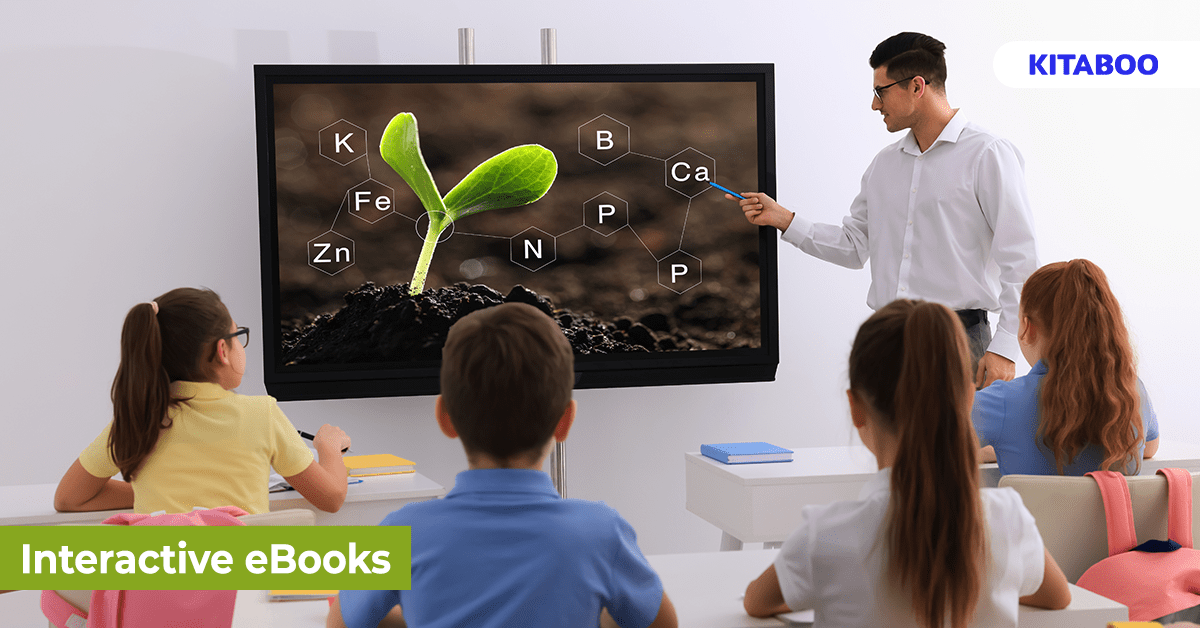
This is where cloud-based digital publishing platforms such as KITABOO enable teams to create and publish a wide range of content formats, such as interactive eBooks, with ease. Teams can also collaborate in real time and distribute content securely to authorized users.
Building Accessible eLearning Content
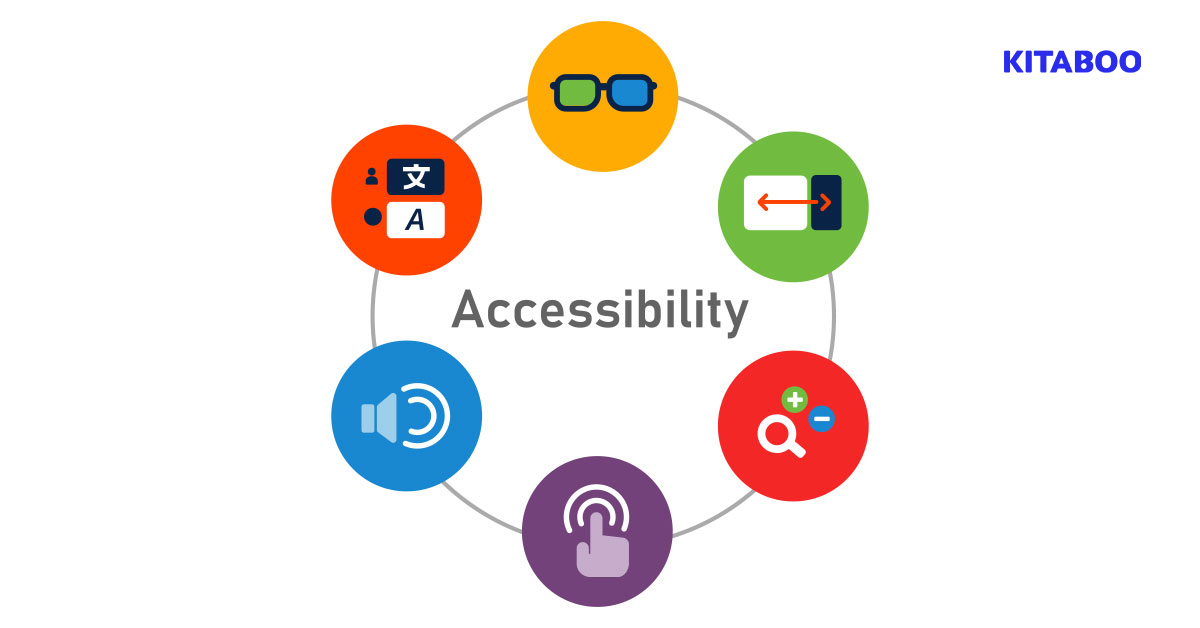
Today, accessibility is considered to be a key value of inclusive education.
Hence, instructional design must factor in how courses can be made accessible to learners with disabilities, learning difficulties, and language barriers. They must have a key strategy in place to address gaps.
Introduce an Assessment Strategy
The traditional assessment approach is to conduct exams a few times a year. With eLearning, assessments can be introduced at a greater frequency, and instructional design can get creative with the formats.
Having regular and strategically designed assessments is an important pillar to track student progress and enable students to work on the learning gaps.
Tracking Learning Progress and Effectiveness
Another important aspect of instructional design is that there must be a concrete strategy for the measurability of a learner’s progress, as well as the learning effectiveness of resources and programs. Since eLearning creates scope for access to data, teams can clearly outline various metrics that can be used in the process.
For instance, reports on how much time learners spend on resources, what time they log in, how they perform in assessments, and which resources are most effective and popular can shed light on learner progress.
Based on the insights, relevant new resources, coaching, and other techniques can be introduced to help learners master their subject.
Leveraging a platform such as KITABOO enables AI-powered data insights, which can be a powerful tool to measure the engagement levels of learners and their performance in assessments in real-time with consistency.
Tech Tools For Effective Instructional Design
Instructional design teams must have access to the right tools to turn their vision into actionable programs. Here are some key tech-enabled features of publishing tools like KITABOO, which comes into use:
- Publishers can create and publish high-quality on-demand resources quickly. Drag-and-drop features and no-code interface reduce turnaround time, thus enabling them to take new courses to market on time.
- Publishers have leveraged AI-based predictive analytics to forecast learner progress and understand learner behaviors and engagement patterns.
- A digital rights management functionality helps publishers protect content, making it impossible to duplicate and access sans authorization. This functionality helps publishers safeguard revenues.
Conclusion
The right tech tools must support superior instructional design. Access to a single, unified, cloud-based publishing platform, such as KITABOO, helps to connect multiple collaborators.
It enables them to turn raw ideas and strategies into high-quality courses, which can drive learning effectiveness and business outcomes for publishers and creators of eLearning content.
If your company is looking for the right tech tools to create, publish, and securely disseminate high-quality eLearning courses, KITABOO is geared with the right solutions to support you in meeting your design, development, and delivery needs.
Leverage our cloud-based digital publishing platform, which is available as a licensed version (one-time buy) as well as a subscription model.
Get in touch with us to start a conversation.
Suggested Reads:
Discover How An Ebook Conversion, Publishing & Distribution Platform Can Help You
Kitaboo is a cloud-based content platform to create-publish & securely distribute interactive mobile-ready ebooks.
You May Also Like